An invitation to pay attention / No. 01
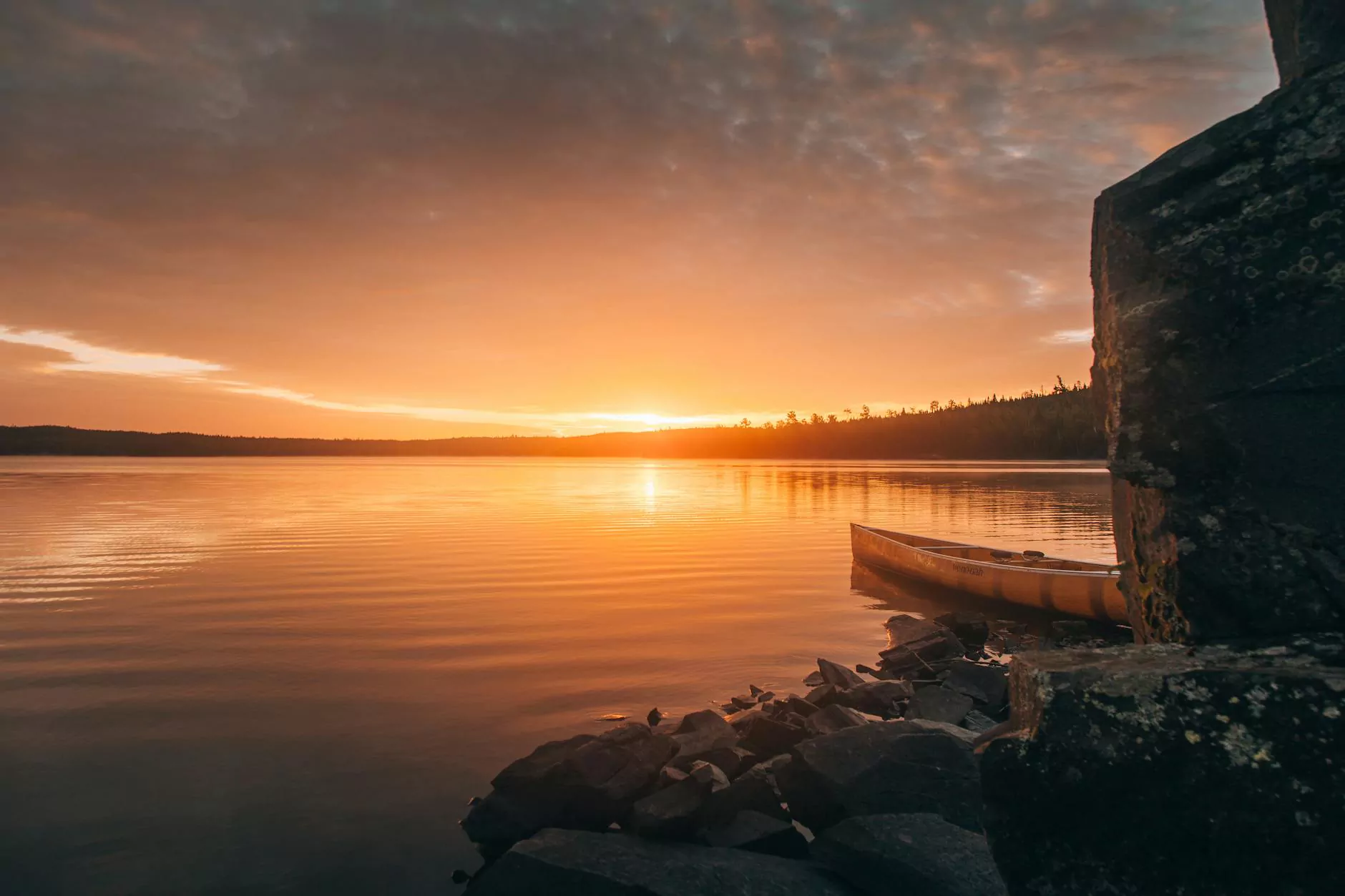 A moment, closely seen.
AwakenYourWild.
Start with the world within reach. Four small ways to notice nature, reflect on an ordinary day, and leave room for curiosity.
Explore the BlogAwaken Your Wild, in the everyday
The world is already here.
Start where you are. Before planning a distant escape, notice the patch of sky above a street, a leaf caught against a wall, or the shape of a tree you pass every day. Ordinary places reward attention because they give you something familiar against which to notice change.
Choose one detail and stay with it for five minutes. What moves? What remains still? Let your eyes settle before reaching for a photograph. A picture may preserve the view, but looking gives you time to discover what made you stop in the first place.
A small space for your own words.
A notebook can begin with a single sentence. Write down what happened, then what you thought about it; keeping those two things separate makes room for surprise. “The wind moved the branches” describes a scene. The memory it brought back belongs to your particular experience of that scene.
You do not have to make the moment meaningful. Some days yield a question, others only a colour or sound. If you want another perspective afterwards, browse the articles in the Blog; let someone else’s words begin a conversation with your own.
“You do not have to make the moment meaningful.”
A note to take outside
Let the same place be different.
Return once a week if you can. The changing angle of light, a bare branch or a new layer of fallen leaves can tell you more than a hurried search for a spectacular view. Put the date beside your notes, and compare what you saw rather than what you expected to see.
Seasons are experienced differently in different places. Notice the weather around you instead of measuring it against an ideal picture of autumn or spring. Keep uncertainty in the record: a plant you cannot name is still a plant whose outline, colour and location you can describe.
04 / Field notes
Three things to carry with you.
A little time
Leave enough room to pause. A short, unhurried visit can offer more to remember than a long list of places rushed through.
A light footprint
Watch from a respectful distance. Leave what you find, follow local access rules and choose a route suited to the conditions.
An open question
Ask what has changed since your last visit. Explore the Other archive when your curiosity takes a different direction.
In the margins
A few useful answers.
What is Awaken Your Wild about?
Awaken Your Wild explores attention, nature and self-discovery. This page offers simple ways to notice your surroundings and put an experience into words. You can also browse the Blog and Other archives for existing writing, choosing the subjects that interest you.
Do I need to travel somewhere remote?
No. A familiar pavement, a window, a garden or a local park can give you something to observe. Choose a place you can reach comfortably and safely. Returning to the same small spot often reveals changes that a single ambitious trip would miss.
How long should I spend observing?
Five minutes is a useful starting point. Pick one thing, such as a moving shadow or the sound of leaves, and give it your attention. Finish when you need to; this is an invitation to look closely, not a challenge to endure discomfort.
What should I write in a nature notebook?
Write what you actually noticed: a colour, a shape, a sound, the weather or a question. Add the place and date if you want to compare visits. A few precise words are enough; your notes do not need to sound poetic or reach a conclusion.
What if I cannot identify a plant or bird?
Describe it before naming it. Record its size, outline, movement and location without handling it or disturbing its surroundings. An identification can wait until you have a reliable reference. Leaving a question open is part of careful observation, rather than a failure to finish.
Can I do this from indoors?
Yes. You can watch the light on a wall, follow clouds through a window or listen to the weather from a sheltered place. Work with the access and energy available to you. An indoor observation can be as specific and thoughtful as one made outdoors.
How can I observe without disturbing wildlife?
Keep your distance, stay on permitted paths and leave plants, stones and nests where they are. Avoid feeding or approaching animals for a photograph. Follow the rules of the place you visit, and let the safety of both people and wildlife guide your choices.
Where can I find more writing on the site?
Open the Blog for articles, or explore Other for the broader archive. The site includes writing on different subjects, so use an article’s title and date to decide whether it fits your interest. You can return here whenever you want a simple observation prompt.
Turn the page
Keep your curiosity company.
Take one question with you, then see where the writing leads.
Open the Blog